
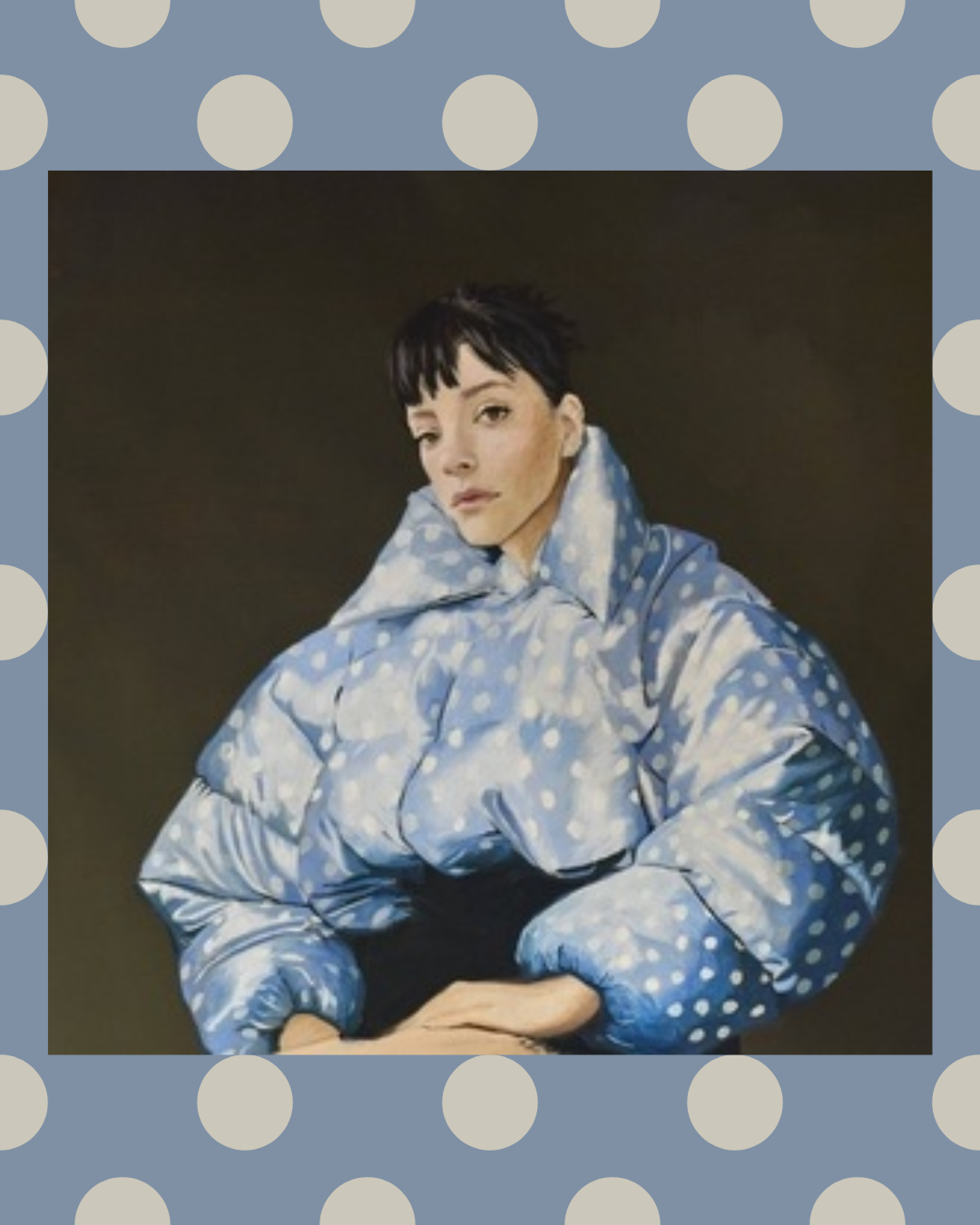
Lily Allen is one of the voices of my childhood. I liked her because, being from London, she sounded like me when she spoke. Fast forward to today, in the trenches of my feminist reawakening, she’s back with her female-narrative, fly-on-the-wall album West End Girl. It’s shaken the internet and connected women, ear pod to ear pod. I don’t want to go through the story of her marriage because, for one, the album tells it – and two, it’s everywhere online. Let’s get into the music.
Ushered in by the title track, we’re met with what I affectionately call “Coffee Shop Music” – simple, nondescript but pleasant jazz. The strings are dreamy and smooth throughout the album, but on this first track, they paint a picture of her seemingly perfect life: the American house, the husband, the kids. That is, until she’s cast as the lead in a play back in London. When she shares the news with her spouse, his “demeanour started to change.” Regardless, she hops back across the pond, and despite being on familiar ground, she feels completely alone – “I’m on my own // I’m on my own // and I’m all alone // I’m all on my own.” Then comes the clanger: her husband calls to propose an open marriage. Tearfully, she agrees – “I want you to be happy.”
From ‘50s sedated jazz, the sound completely flips to heavy electric bass and overproduced, reverb-stricken vocals that would make Charli XCX proud. The inner voice of a woman battling not just her partner, but herself, takes over. The distorted vocals mimic a broken-down toy going around in circles as she pleads for validation – “Baby, will you tell me I’m still your number one.” From here, she makes it clear she’s being gaslit in Sleep Walking, cooing, “I don’t know if you do it intentionally, but somehow you make it my fault.” Despite everything, she’s devoted to her husband and still wants to be his “whore.” Throughout the album, she swings between wanting his attention and reclaiming her own power.
Tennis introduces a thicker melody, with piano and bass pushed to the forefront. This is where it gets juicy – suspicious, she goes through his phone and discovers the other woman, Madaline. The sing-song “Da, da, da, da, da, da” recalls her earlier tracks that stayed playful in the face of heavy topics – like Fuck You from 2008. The final line, “No, but who is Madaline, actually?” is her version of Beyoncé calling out “Becky with the good hair.”
Relapse breaks my heart every time. Allen struggles to stay afloat – “I need a drink” whispers the devil on her shoulder as she wrestles her own turmoil while trying to set an example for her two daughters: “The girls are looking at me to teach them all about love.” The techy noises throughout remind me of Nokia’s and The Streets. Motherhood threads through the album, especially in Let You W/In, where she mournfully admits she’s been shielding her children from the truth, but in doing so, she’s also been protecting her husband, despite it being his fault. “All I can do is sing” shows that this album is her healing process, accompanied by soft strings and sweeping drums that keep her harmonies at the centre.

Pussy Palace is one I have to be careful with – not exactly office-appropriate, despite how catchy it is. The intro sounds eerily similar to the Stranger Things theme – the show her ex is known for. Coincidence, right? Its powdery, dreamlike melody clashes perfectly with the trauma of finding sex toys and condoms in your husband’s “dojo” (second apartment). I adore Allen’s frankness; there’s no hiding, no pussyfooting around -something I find quintessentially British. Allen then goes in all guns blazing, tearing into her spouse in 4chan Stan, referencing the controversial anonymous imageboard launched in 2003.
Another genre shift follows – Nonmonogamummy brings a reggae flavour featuring MC Specialist Moss. Here, we hear the details of stepping into the daunting world of modern dating, even though she still wants to be with her husband. This theme reappears later with her dating alter ego, Dallas Major, though she’s now got more swagger.
Beg For Me is a standout track for me. The beat is darker and slightly more sinister than the others. What I love most are the lyrics – Allen finally centres how she feels, what she wants, and why her partner can’t give it. She’s taking her power back; her feelings are valid, and she will be heard. Sampling Lumidee’s 2003 hit Never Leave You (Uh Oooh Uh Ohhh) adds a perfect layer of nostalgia.
West End Girl ends with a big “fuck you.” The title and chorus play on words from both sides of the Atlantic. Calling someone a Fruit Loop means calling them crazy – and Fruit Loops are, of course, a sugary American cereal. She’s shed the blame and is finally free, ending with one of the most empowering lines: “It’s not me, it’s you.”
Like an audible soap opera, this album grips you. It shines a light on the messy parts of modern relationships. The music itself can sometimes feel a little lacklustre, but given it was recorded and produced in just 16 days, that’s forgivable. It’s a prime example of why artists create – to heal and to tell their truth. I’ve also listened to the tracks shuffled, and they hold up beautifully without the surrounding narrative, which is refreshing. After a 7-year hiatus from music, I hope this marks the start of a Lily Allen revival – I’ve missed her.