
America and WW1
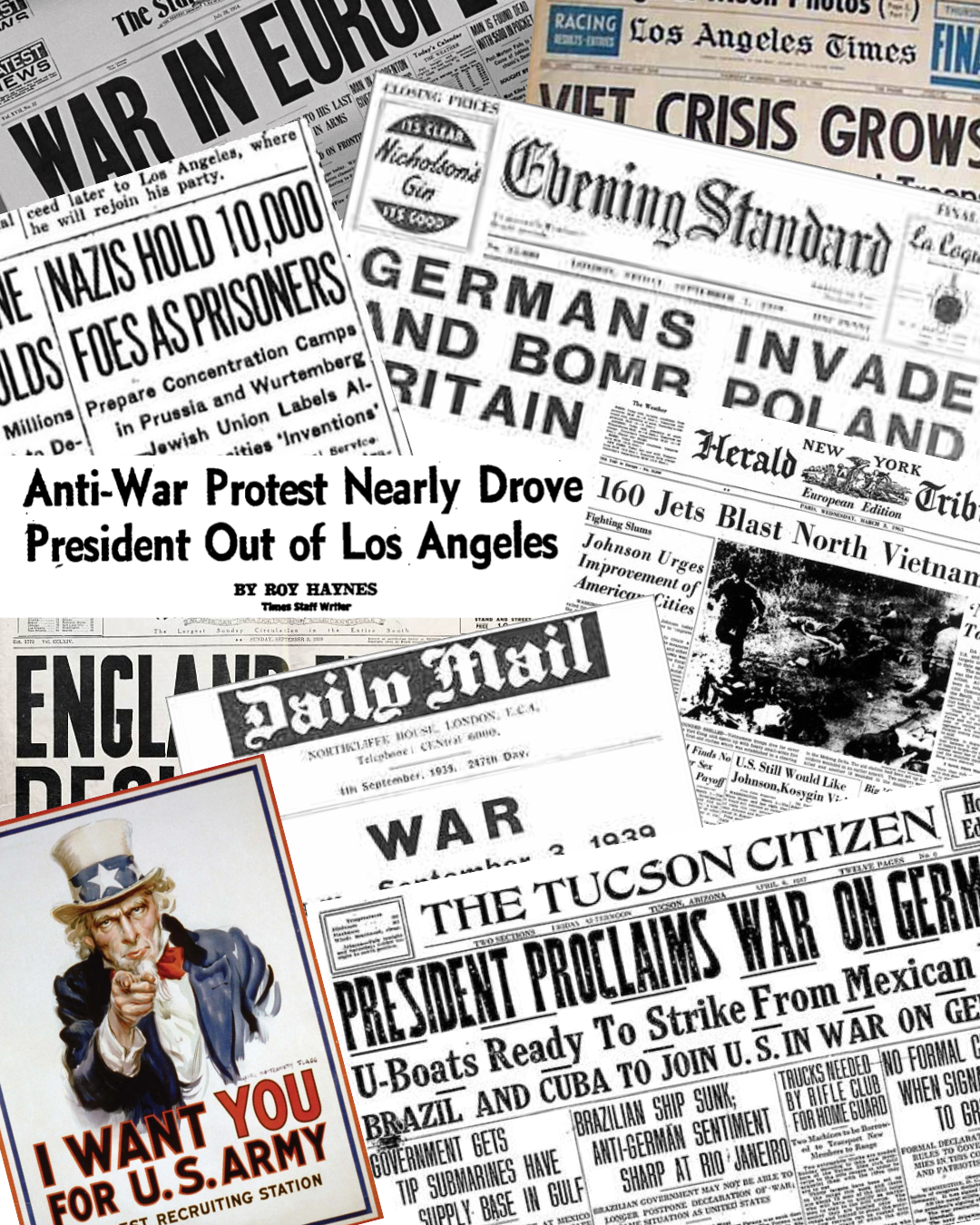
By the time America considered joining the First World War in 1915, the conflict was already in full swing. The idea sparked backlash—most of the public wanted to remain neutral and avoid fighting. That same year, Alfred Bryan and Albert Piantadosi wrote I Didn’t Raise My Boy to Be a Soldier. Performed by The Peerless Quartet, it sold 700,000 copies and became massively popular.
A Mother’s Love
The lyrics, sung over an upbeat, marching melody, contrast sharply with the song’s anti-war message: “I heard a mother murmur through her tears, I didn’t raise my boy to be a soldier.” It emphasizes the individuality of those being drafted—each one was someone’s son, loved and cherished. Lines like “It’s time to lay the sword and gun away” clearly advocate for peace.

The song drew sharp criticism from former President Theodore Roosevelt, a vocal supporter of joining the Allied forces. He called the song “foolish,” comparing it to writing one called “I Didn’t Raise My Daughter to Be a Mother.” To him, its popularity signalled weakness and betrayal of American values.
Despite public resistance, the U.S. joined the war in 1917. Approximately 117,000 American soldiers lost their lives—a staggering number of grieving mothers.
Die Moorsoldaten
The Second World War didn’t begin until 1939, but the Nazis had been persecuting Jewish communities since 1933. Johann Esser and Wolfgang Langhoff, political prisoners in Börgermoor, wrote Die Moorsoldaten (“The Peat Bog Soldiers”). The lyrics were smuggled out and given to Rudi Goguel, who composed a solemn, simple melody.
The song spread from camp to camp during the war. Translated from German, the lyrics describe the prisoners’ grim reality: “Up and down the guards are marching // Fight would mean a sure death facing.” Yet the closing lines express undying hope: “One day we shall rise rejoicing, Homeland dear, you’re mine at last.” The resilience shown by those imprisoned is remarkable. That the song escaped the darkness of the camp and helped spread hope during one of history’s darkest times is a testament to the enduring power of art—even in the bleakest circumstances.
Roughly six million Jews were killed during the Holocaust.
No fortunate son
In 1966, a young John Fogerty was drafted as a reservist to serve in the Vietnam War. By then, the war had been raging for over a decade—and still had years left to go. Fogerty served six months of active duty and returned home in 1968 to a nation in turmoil.
President Nixon often lied to the public, dismissed young people’s concerns, and continued to escalate the conflict. Many young men lived in fear of seeing their birthday appear on the televised draft lottery. That same year, protests erupted at the Democratic Convention in Chicago. The mayor had banned demonstrations, and police intervention turned peaceful protests into riots. Though labelled “un-American” by the government, these events energized the youth to speak out even louder.

Fogerty watched this unfold and noticed that sons of powerful politicians had avoided the draft. Outraged by the inequality, he wrote Fortunate Son, released with his band Creedence Clearwater Revival in 1969. Set to a classic rock sound, the song directly confronted the hypocrisy: “I ain’t no Senator’s son // I ain’t no fortunate one.” It also referenced Hail to the Chief; the official song played for the U.S. President.
The initial deployment of American soldiers had been small, so more young men were drafted: “When they ask us, ‘How much should we give?’ // More, more, more.” The song condemned the government’s willingness to sacrifice the lives of the poor while protecting the privileged. It became one of the band’s biggest hits and remains globally recognized for its powerful anti-war message.
The Vietnam War finally ended in 1975. An estimated 58,220 American military members lost their lives.
Coming Soon: Part 4 – Civil Rights Through Song: Voices That Shaped Resistance
Come back for my next post where I’ll be discussing songs written for and about the Civil Rights Movement.