
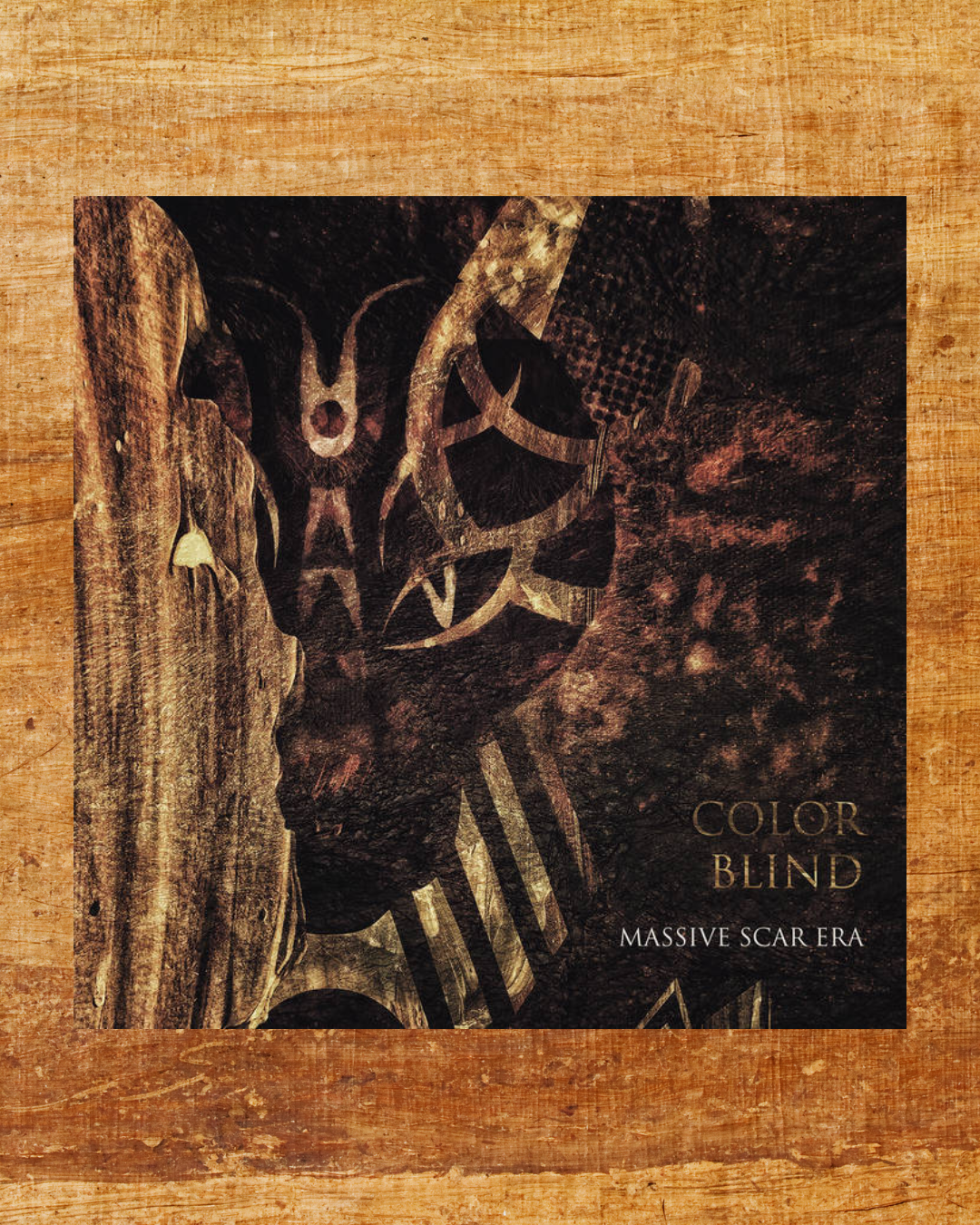
I love discovering new music in unexpected places. I recently listened to a podcast called The Devil You Know with Sarah Marshall. Taking audiences through how the US legal system allowed the satanic panic to affect so many lives. An extra episode titled A Second Helping from Satan Arab Spring Satanic Summer caught my attention. Looking into the impact of the satanic panic outside of the US, Marshall speaks to Cherine Ama, founder and lead vocalist of Egyptian heavy metal band Massive Scar Era.
They discuss Cherine, known as Cheen, being accused of being possessed by the devil when questioned by the police after an officer heard screamo at one of their early gigs, the prejudice she faced as a female musician from her own family, and the Arab Spring. A time that saw protests against political repression, inequality, and police brutality, which started in Tunisia in 2010 and spread to Egypt, Syria, Yemen, and Bahrain throughout 2011.
I was immediately intrigued and started my journey into Massive Scar Era, beginning with their 2018 EP Color Blind. A musical response to the band being denied entry to the SXSW festival held annually in Texas. It supposedly celebrates the convergence of interactive technology, film, music, and culture, but Massive Scar Era were turned away at the airport due to their Egyptian nationality.
MSE’s sound heavily incorporates pre-colonial Egyptian scales and instruments, especially the violin, played by Nany Mounir. In 1932, the use of maqamat, the traditional Arabic musical scales, came under threat when the Cairo Congress of Arab Music attempted to standardise them. Proposing a 24-tone equal tempered scale instead. Many traditional scholars argued that music would lose the subtle nuances and tunings of regional maqamat. It was feared that these orally taught microtonal practices would be lost. Ultimately, the proposal was never agreed upon and failed to reach consensus.
Opening with the title track, we are ushered in by traditional violin pizzicato alongside Ama’s ethereal singing, which has an Amy Lee from Evanescence quality to it. Her shimmering vibrato brings additional Arabic layers to the track, quickly intermingling with a more Western metal sound. Themes of racial prejudice run through the lyrics – “Colours, in colours you see me, black or white”. The phrase “Drain the blood in my veins, I’ll be empty, empty” stands out for expressing the exhaustion marginalised individuals experience.

Unfollow comes at a faster pace than the previous track but is overall similar, with machine gun drumming and metal guitar riffs, until the breakdown. Comes as a welcome shift featuring a nay, a type of Egyptian flute, along with Arabic procession instruments. Ama’s growl references “Thunder broke my silence through rage and violence”, suggesting a release from a period of quiet suffering into a path of redemption in her heart, possibly referring to a political or personal emotional struggle. Personally, the mixing falls flat in these first tracks. The drums feel too far forward, muddying the sound and making it difficult to decipher the lyrics. It is a shame because they have the potential to be as strong as the following tracks.
Interlude comes as a serene, majestic palette cleanser featuring Arabic percussion, the nay, oud, and qanun, all stringed instruments, and of course a violin played in a traditional Arabic style. It is a calming wash that breaks from the heavier sounds.
Oblivious is the best song featured. From the start, the mix is perfectly balanced, allowing every instrument to be heard clearly. It also has a more varied sound throughout, which I really enjoy, especially the descending staccato, as it brings a dramatic horror film atmosphere.
The final track, Rouge, is the most Western sounding song in my opinion. It is closer to what I am used to hearing within metal music, although it still heavily features the violin. It is beautifully done. Lyrically, this track directly responds to being blocked from the US, highlighting how external perceptions can create a divide between people. “I am unsettled with no place”. It also confronts stereotypes, stating, “Stereotypes are taking over. The wolves are taking over” and urges listeners to “win them over”.
Overall, Color Blind delves into internal conflict and resilience, reflecting on past battles and the inability to simply forget them, all while trying to rise above. It is a fusion that demonstrates the versatility and fluidity of music, opening up my personal listening and taking me on a quest to discover more world music this year. Stay tuned.